episode #64 · October 29, 2026
The Cycle Ends With Me
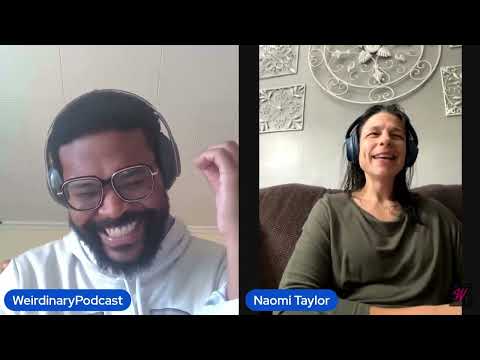
A conversation with Naomi Taylor
the conversation
Breaking the cycle, from a childhood cult to getting her kids back.
Content warningThis episode discusses childhood sexual and physical abuse, religious abuse, postpartum psychosis, and suicide.
Naomi Taylor was raised in a cult on a Western New York dairy farm, where love was something you had to earn. She survived abuse that started when she was five, told the truth and was called a liar by counselors and even her own therapist, and later lost custody of her two kids during a postpartum spiral so severe she believed her own milk had turned to poison. Lawyers told her moms do not get their kids back. She went to court again and again for seven years until she had the paperwork.
This one goes to hard places, and Naomi walks through them with a steadiness you have to hear to believe: forgiveness and where it ends, getting people help before a thought becomes an action, doctors who prescribe water and vitamin D for perimenopause, and Rayleen Clean, the company she built so nobody feels judged for falling behind on their home. It is exactly the conversation Weirdinary exists for, the extraordinary inner world of an ordinary person, told out loud.
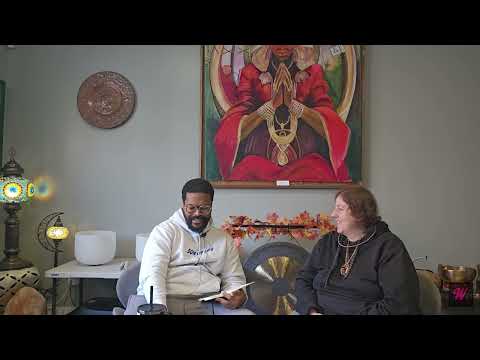
Weirdinary is a documentary conversation podcast from Albany, NY, hosted by writer and journalist BradQuan Copeland. It explores the psycho-philosophical inner worlds of everyday people in order to better understand ourselves.
the record
Read the full transcript.
Open the transcript (auto-generated, about 88 minutes of talk)
This transcript is generated by machine from the episode audio and lightly cleaned, so names and words occasionally come out wrong. The video is the record.
0:05 Yo yo, this is BradQuan, host of the Weirdinary podcast and recently I was asked what my favorite restaurant is and without a doubt I said Son of Egg located at 483 Broadway in Renle, New York. Why Son of Egg? Because every time I step foot in this establishment, I instantly feel a celebration of community, creativity, intellectualism, and humanity. And I mean, it goes without saying, but I'm gonna say it anyway. The food is spectacular. Now, why is this spectacular, you ask? Well, my god. Because whenever I bite into it, I feel like I'm at home. Tappiness on a bay. 483 Broadway, New York. You want to eat? Eat with the best.
1:16 All right. All right. Yo yo. Welcome to another episode of Weirdinary. I'm your host, BradQuan, and today I have a very, very special guest. She is a Western New York small business owner, the founder of Railene Clean, a womenowned cleaning company she built from the ground up. She aims to expand into largecale commercial cleaning while supporting her employees personal goals. She hopes to develop a program offering judgment-free cleaning support to people who cannot afford professional cleaning services. She is a mom, a partner, a heavy metal fan, and a dog lover who enjoys the hell out of pounding weights. She is working toward a more self-sufficient homesteading lifestyle and is slowly learning to let go of perfectionism and build a life with room for purpose, freedom, and enjoyment.
2:22 This is somebody that I am eager to speak with and to capture the depth of her humanity. Ladies and gentlemen, uh Naomi Taylor, uh Queen, how how the hell are you? [laughter] I'm doing good. I'm doing good. Has some exciting stuff on the horizon. So, it's a good morning. Absolutely, man. Uh, Western New York. Uh, if I'm not mistaken, you're from Buffalo, right? Yes. Yeah. How How's the weather up there? Uh, you guys get any snow yet? Not yet. It's perfect right now, but give it two weeks and we'll see what it does. Oh god. You know, that's the only thing I've been I I mean, I wouldn't mind going to Buffalo, but you guys get like [bleep] 10 inches of snow in like September, so I'm like, I don't know what, [laughter] you know, feet at a time. Oh my god. Oh man. But, you know, I tell you what, though. You go to some other place and you get snow. I mean, that's like probably nothing to you. You know what I mean? Five inches. Like, what the [bleep] is that? You know, but we don't have hurricanes, tornadoes.
3:26 You can't shovel rain. So, I'm good with the snow. I I I I love it. I love it so much. Um, let me ask uh just a Are you a Buffalo Bill? Are you a football fan? Oh, you know, I might get some hate for this, but no, I really I'm not a fan of football. Fair. Hey, listen. I find other things to do. Keep busy. Okay. Rock and roll. I mean, obviously the heavy metal keeps your keeps your head knocking. You know what I'm saying? Got lots of concerts going on. I I I I love that. Uh, who are you a fan of? Who's your like goto? Um, right now I've gone back to In this moment. Um, they've always been, I don't know, a go-to for mine. I always I always come back to them. Okay. Fair. seen him in concert quite a few times.
4:27 That's what's up. I love it. And uh you you have you're a parent. How how many children? I have two kids. Um my daughter is 16 and she's coming into her own has a bunch of friends, her own social life. Um fantastic artist. Like she blows my mind. Um, and my [clears throat] son just started in college, so learning how to navigate life without him and his grocery bill running around. [laughter] Yeah, I was a teenage boy once upon a time. I know all about that. Interestingly enough, I had a dream about my teenage years. Uh, I Dude, what the hell? [bleep] is weird. It's so weird how like your subconscious will bring you to places that your conscious mind will just naturally your conscious life will just naturally appear in. You know what I mean? It's that's it's that's [bleep] strange man. Uh given the uh well taking that taking that turn uh I think it's only right that um we get into uh that we get into your upbringing. I feel an energy from you. I feel a vitality from you. You are clearly a grounded individual, but somebody who's you've gone I could feel like there's wisdom that emits from from you. I I feel that just from conversing with you, just from you know what I mean, sitting here with you for the few minutes we've been speaking. Um I can tell that you've built substantial character through adversity, you know what I mean? And uh I it's this is this is this is the [bleep] that this is the [bleep] that really motivates me, that really gets me going. Um and uh to really peel into the humanity of you, I
6:21 want to ask um growing up, what did you learn you had to do to feel worthy of love? Wow. Right to it. Well, uh, I grew up on a farm. Uh, we were a a dairy farm and money was very, very scarce. So, in order to just have basic human needs met, we had to work really hard to raise our own food, whether it were vegetables, meat. Um, so we worked hard to even [snorts] stay alive. Um and from that there wasn't a whole lot of time for anything extra including feeling loved or worthy. Um you know parents are coming into parenthood with their own background and their own stuff that they had to go through and um learned how to parent from other people that grew up in the Great Depression um and other adversities. So, uh, I wouldn't say that I was given a whole heck of a lot of love, attention, support, or even acknowledgement. So, I was taught that love meant you had to work for it.
7:41 You weren't you weren't loved just because you existed. Uh so that's been something that um I've had to work through on my own. Um to give myself that that selflove first and then know from the inside out that I'm deserving of that. Um so to break break the pattern of pouring into people who aren't emotionally available um or physically available uh depending on the person but um rather acknowledging where people are at and finding that sliding scale of where where we fit together. Okay. You uh you mentioned I want to backtrack a bit because you said something that that that really stuck out to me. Uh raised by parents who were uh raised who who were raised by depression era parents, right?
8:45 Explain to me your relationship with your parents. Let's start with your mother. Okay. Um my well, both of my parents uh have pretty significant mental health issues. Um so being um in that environment creates a lot of tension that you just assume is normal. Um so my relationship with my mother was whenever I needed love and a support. I was either told that um I needed that I was attention seeking um that I was a sinner because I wanted love um and and pushed away physically pushed away. So to even just get a hug from my mom was not heard of. She didn't have the emotional bandwidth and availability for that. And your father um he was either very very high uh emotionally or very very low. So, um the mental twists that come with both of those extremes meant he was either well he was basically unavailable, but he was um physically unavailable when he was a very high mood and normally in the bedroom in bed or in the basement when he was in a low mood. So, it it was the same. there was not much that um you know if I had a problem um or if I just wanted to hang out it wasn't something that I could do with him.
10:29 Oh wow. Yeah. So and did did you have any siblings? Yes, I have uh an older brother, younger brother, and an older sister. So I'd imagine you Well, I I don't want to just assume. Let me ask, uh, did the unfortunate circumstances surrounding your parents' mental health, did it like bring you guys closer or like how did that kind of how'd that work out? Well, it my brother adopted my older brother adopted my father's behavior. Um, so I I'm not close with him, but my younger brother and I are very close. Um, we've actually sifted through a lot of stuff together as we've gotten older and raising our own kids going like, I don't know how to do this because we were never taught. We didn't have good examples on how to raise healthy children. What do we do? [laughter] So, um, we we both have gotten our own support, uh, outside support, therapy, and whatnot, and we're also a big support to each other.
11:35 That's what's up. I like that. I mean, god damn, I can growing up with such dysfunction being normalized. I can only imagine. I mean, I I know what such things did to my psyche, you know what I mean? Yeah. Uh, tell me about the tell me about the dairy farm. I loved it. I I kind of wish I still lived on a farm, but you know, Buffalo is what it is. Um it so there was a time when I was probably between 15 and 13. I don't remember the exact age but uh the prices of milk dropped and dairy [clears throat] small dairy farms all across the country shut down and the bigger ones just took over. Um so my grandfather sold we lived on the farm with my grandfather. um he sold the cows and continue to farm the land and sell it for like sell the hay and the corn off of it for local farmers. Um so he kept the kept the land.
12:42 Um I helped out with chores a lot. It was my my responsibility to take care of the babies, baby cows. Um and we raised a whole bunch of other like pet animals, too. uh had chickens for for for meals and then we had some goats and sheep and stuff like that. Um had a very big vegetable garden that we grew most of the food that uh most of the vegetables that we ate throughout the year. So we would freeze it and can it and um I learned how to do all of that growing up. That's what's up. M. So you learned I mean you yourself learned that you you felt that you had to work for love. You had to earn it. But it sound I mean you had a love for these animals that you were caring for. You know what I mean? Yep. Yep. The babies I love them especially the sick ones because you had to pay more attention to them. Oh my god. No. That's that's that's that's what's up, man.
13:47 I mean as given all this, what part of yourself did you learn? What part of yourself did you learn to hide during adolescence? Um, the needy part. I mean, adolescence, you need help. You need support. Hormones are crazy. You don't know what to do with them. You don't know what's going on. So many changes in your brain and in your body. Um, and I hit it. I ended up um resorting to food. So, I had a pretty bad eating disorder where I focused on um burying any sort of feeling in [clears throat] in food um and everything around it too. So, um finding it, getting it, eating, not eating, um I hid underneath that. Um, and and the fear that I was in every day, not knowing what I was going to get from my parents and and my older brother as well because he was the same as my father. Um, I think it's a diagnosis now then. I didn't know what what was going on. Um, so you know, I've worked in human services before for for a long time and that's, you know, pretty typical uh by the book. What happens to children when they grow up in those situations is they usually go into some sort of disordered life pattern. And mine was around food.
15:27 Yeah. Yeah. Yeah. I in my similar experience it's uh uh it's been drugs, alcohol, sex, food. Trying to navigate through that [bleep] right now. It's food. Uh that much. You know what I mean? I'm trying to navigate through that [bleep] You know what I'm saying? Because I've got to eat. So, it's like the You know what I mean? Yeah. It's it's just like it's just like eating the right things in the right amount. You know what I mean? and just giving myself the space to, you know, exercise, to invest in myself, you know what I mean? I've been there. I've been up and down weight my entire life. Yeah. But I don't know. Like, I've gotten I've gotten I've kicked the drugs. I've kicked the alcohol. I've I've I've been brought on a path of celibacy. You know, I'm all these things, but there's just there's always something. Yep. Always something you're dealing with, man. You know what I mean? I I no it's like I've worked through so much in my childhood now I think it's like well the world is on fire right now so we all kind of need something to feel better so I cut myself a little bit of slack when I eat a little bit more than I should sometimes be like I'm all right with that I don't do anything else so it's all about understanding what what makes I mean what makes you feel good you know what I mean and everybody as guilty pleasures.
16:56 Sorry. And no healthy lifestyle is 100% healthy. No, that should that [bleep] will make you crazy. Yeah. I mean, trying to be I mean, and that's a part of the thing that I'm trying to work with perfectionism, too. you know, I was like, "Oh, all these unhealthy patterns that I learned from my family and different ways that I adapted to life because of it." You know, trying to find um how can I perfectly undo everything that I learned and being like, you know what, I'm actually human and uh I make mistakes. You know, I learn and I grow and um you know, therapist told me one time because I was I was convinced I was going to screw up my kids, right? Because I'm like, "Look at all the stuff that I grew up with. how how could I not pass this on to my children? And uh my therapist goes, "You know what? If when your kids are 35 and they have less to talk about in therapy than you do, you did an amazing job." Like I like that. [laughter] No, that's Yeah, that helped me a lot.
17:59 Let me ask you. Um, I kind of want to dive into I kind of want to dive into uh specifics if possible. Um, what specific pain shaped your understanding of the world during your formative years? I think it's the feeling of loneliness. um feeling worthless um because I was alone all the time and just the separation that comes from mental illness and how I was felt different from the rest of the world because of well first off nobody would believe me when I told them what I was going through um and second off because I didn't feel like I could talk to anybody. I just nobody believe like people like your peers and like nobody believed you. Nope. Guidance counselors didn't believe me. Um my therapist as a kid didn't believe me.
19:08 Said that I was making it up. The stuff like the specific things that went on. I had an aunt that believed me. Um she stood up for me and tried to get police involved but nothing came of it. Wait, when you can we Oh [bleep] Uh yeah, there there was a lot of abuse. There was a lot. Okay. Can we do you mind unpacking that? Sure. Oh yeah. Okay. What? Because I'm I'm like is it the loneliness? Why the [bleep] wouldn't they believe that? But I'm like you starting to I'm like there's something else. Okay. Yeah. What? Yeah. What uh what did you experience? Uh there was a lot of all all sorts of abuse. All forms. emotional, physical, sexual, uh religious. Um along with basic needs be being neglected. Um so not knowing how to take care of my personal hygiene because I was never taught. Uh not having clean clothes or even clothes that fit. Um severe religious abuse that was like, you know, people like, "Oh, I was raised in the Catholic church. I was raised in a cult." like I was actually raised in a cult. So there was a lot of religious fear that um you know even just basic human needs. I was told that I was being a sinner and that I was going to hell.
20:32 Um so I wasn't allowed to talk to people outside of the church. Wasn't allowed to listen to any sort of music that wasn't um ac cappella Christian uh hymns specifically. Um, and along with that came, you know, spare spare the rod, spoil the child. Um, a lot of physical abuse. And now I'm like, how could you do that to your kids, you know? Um, so I would, you know, talk about things that were going on and I was a very emotional kid. Um, and people would say that I was making it up where I wasn't. you know, my brother and I, my younger brother and I talk about things and like, no, we went through the same thing. We might have a little bit of differences, but it was the same deal. So, the uh the the So, the emotional, physical, and religious we touched on what the sexual was that who was that by if you don't mind me asking? So in in the church Oh [bleep] No, I'm sorry. Go ahead. Go ahead. Go ahead.
21:45 So the whole thing just kind of goes into a big ball of wax. And why, you know, my family told uh professionals that kind of piqu interest when I got real sick with an eating disorder. Um they said I was lying and making it up because there was a lot to be hidden. Um, in the church there was a a an older gentleman who would be considered an elder who was molesting young boys. Um, and that in turn, you know, because that's those are the only people that I could talk to. Um, it gets repeated, right? If that cycle isn't stopped, it gets repeated with other people who are near. So, I've run into um I think maybe about 10 years ago, I came into contact with somebody who had gone to the church for Sunday school and um uh like summer church services and he had experienced the same thing and and he wasn't able to stop drinking. So, like it it affected a lot of us. Um my aunt, she was the one that finally believed me. Um and she took it to the police and got police involvement. Um by that time I was in my I think I was 19 or 20 and um there wasn't like a thorough investigation that was done because there was so little proof. Um, so they decided it was unfounded and it never went anywhere.
23:19 But she was the one that had my back. Okay. Well, that's good. Yeah. Yeah. Okay. So, okay. So, this So, this was a priest, I assume. Was this priest? Well, um, it was considered non-denominational and nobody had hierarchy over anyone else because the Lord and Savior was our only guidance. Um, but it was somebody in a position of power. Okay. So this person was molesting boys and this person was molesting boys and girls. Well, the boys turned into he was only doing boys, but it turned into the boys that would affect their cousins and their siblings and Oh, like cousins on cousins. Oh, now I understand. Oh, okay. So, he was only doing boy. Okay. So, he was only doing boys. Yeah. So, who did you experience the abuse from? My older brother. Okay. Oh [bleep] Oh [bleep] Are Are you ready for this? Are you sure? Like I am. All right. It's like because I've heard stuff like this before, right? And people are like, "Oh, you write it you read it from a book somewhere." I'm like, "No, I lived there." I've heard it before, but it it's never like it's never easy to hear. You know what [laughter] I'm saying? Like, you know what I'm saying? So, it's like and and and also mind you, like I'm just naturally I'm a dramatic person. So, please like, you know what I mean? Don't uh No, trust me. I'm I'm I wouldn't have you know, I'm over here talking about it like Yeah, it happened. Yeah. After 20 years of therapy.
24:54 Yeah. 100%. [laughter] Yeah. Yeah. No, I've I've Jesus Christ. Yeah, I uh let me ask you because I recently put up a video uh that said because I did research and uh 87 the people in the um Catholic clergy uh you know the in these positions of power, 87% of the victims are boys compared to 13% are girls. And it makes me think cuz it's so easy for people to just like just to push it to like repress homosexuality, but it's also accessibility too. It is. I I I believe that. You believe that? Okay. You believe it's more so accessibility than the than the former? [snorts] Well, it depends on um the person. Yeah. It depends on the person and whether they are actually acknowledging their sexuality or not. So, you know, if one of if a clergy member is um is gay or not, you know, it it would skew the the research. So, if they were saying, you know, oh, it was accessibility, when really they're repressing their sexuality, how would we how would we know? So, I think that if there's um a tendency for an attraction to pedophilia that it wouldn't matter the gender in in my opinion. I have no clue if that's actually true or not. Um I don't have any research on that, but that was my experience growing up. It was it was pedophilia rather than um a sexual attraction.
26:43 Understood. Uh, and let me just backtrack for a second because um, in having these conversations with women more often, it's it's imperative for me uh, being a man to to express express empathy the best way I can. So, let me just obviously I know you're you've gotten over this, but let me just say that I am very sorry for your experience. You know what I mean? Let me just offer that as well because uh it's it's my empathy comes through in my in my expressions and stuff, but it's you know I I I'm an overinker. So I'm always like [bleep] like did I did I I I don't want this person to think that I didn't give a [bleep] about you know what I'm saying their experience. [laughter] You know what I'm saying? Like you know Yeah. I can't it's something um I think the reason why I felt so alone is because people have one of two reactions actually and it's either denial or have no clue what to say or what to do. So like and that really instilled in me that when I speak about my past or what I was going through at the time um it's like a level of disbelief, right? And it takes a minute to sink in to be like, "What did she say? Is Is that real?" Um, and so I'm sitting over here going like, "Well, this is my reality. How do I how do I live life now?" Um, and other people are like trying to absorb the information and process it and be like, "What the hell are you? Where did this happen?" So like, oh, it's got to be in in some some other, you know, third world country. It couldn't happen here in Western New York. But it absolutely did.
28:36 [sighs] Let me ask you, how old were you when this happened with your brother? Um, it started when I was around five. Um. Oh [bleep] Okay. And Yeah. Yeah. So, if you know anything about like how trauma can affect the the brain, um have it happening at that young of an age really didn't set me up all that well to be able to um know how to navigate life. So, for it it happened for quite a few years. So, probably from five until about 13ish. Oh my god. Yeah. And so it was continuing to happen to him and in the church to my cousins and you know other kids. Uh CPS took away some of the other children uh because like they had the other children had different supports and there were questions questions that the government had the you know government workers CPS and social workers. Um, so they were put into foster care.
29:44 Mhm. Yeah. [snorts] And, uh, you and your brother, you guys still aren't very close? My older brother, no, I haven't spoken to him in I want to say going on 10 years now. Oh, wow. Yeah. I just chatted with my younger brother the other day, so we talk often. Let me ask you, I'm big on exploring the duality of humanity. And here's what I learned, right? Live spelled backwards is evil. And I've learned that you can't truly live until you understand that everyone is capable of evil. Um, not that. And and and it's important that I that I phrase this properly. Everybody will not act upon such evil, but the capability exists. You know what I mean? And it's like it takes time to come to that understanding, but it's not an us versus them thing. It's really just an us thing. It's a part of humanity. It's an inevitable aspect of what it is to be human. You know what I mean? And you can't truly live until you come into that understanding. I've come to learn and through my various uh psychopilosophical um explorations I'm trying to wrap my mind around this understanding of redemption.
31:13 I've always struggled with forgiveness and I'll be honest with you for far less than you know you've experienced. You know what I mean? So I wrote this essay a few months back about redemption because I believe everybody deserves a shot at redemption. But I want to ask, what do you feel like? Do you feel that somebody such as your brother, what your brother did to you and what that what the person in the church did to your brother, do you feel like these people are redeemable? [snorts] Um there has to be a a want for it. Yes. Um you know it's not [clears throat] until they decide that what they're doing is wrong. There won't be a change 100%. So they can be, you know, they can read that it's inappropriate. They can read that it's super harmful to other people and can ruin other people's lives.
32:27 They can be told that they could have people begging them to change um or to do things different. But until there's like an internal knowing or an internal like I have to change, it's not going to do anything. So I really I don't know. I I believe everybody has the capacity to change, but do they want to? That's the story. That's the question. The ability exists, but the willingness is something else, right? Um, have you forgiven, have you been able to forgive your brother for that at this stage in your life? Um, I did for a long time until um the abuse continued with my niece. Um, wow. Not not from my brother that I'm aware of. um but from a cousin. And my brother continued to allow his daughter around this cousin that was physically and sexually abusing her. It wasn't until my younger brother called the police and had an investigation done and forensic scientists and things like that involved that my niece was separated from my cousin, her second cousin.
33:56 um because he he had never gotten help. He never tried to break that pattern. So the things that were done to him in the church were passed on to my niece. And I sat my brother down and I said, you know, I I was seeing him, you know, not really close at all, but we'd have Thanksgiving and things together. And I sat him down and I said, 'You have to get your daughter help. Like this is this pattern is going to continue. we have to stop this. And um he said no that he wasn't going to get his kid support. So I said um you're unwilling to change. You're unwilling to take a look at how this really affected us and it's continuing to affect your children and I cannot as a parent allow my children to be around your children knowing they are unsafe. Mhm. So that was the last that I spoke to my my older brother. God damn, man. Yeah. Last I knew, um my cousin did have like he is a sex offender registered. Um not allowed around kids. Um, but my niece still wasn't taken to therapy or told, you know, listen, this was wrong.
35:19 Um, so she's going to continue living believing that that sort of behavior is acceptable, that she, you know, it was just being friendly. And I said, I I can't I can't accept this. Yeah. Yeah. Yeah, that's when my younger brother left the church and left um being around my older brother as well. Wow. Yeah. So, my children for until recently, you know, they're old enough now to where they can decide if they want to have a relationship or not with the rest of my family. So, they do have phone numbers, but they've chosen not to reach out. So they haven't had contact with their cousins. That [bleep] is dead generational hurt as [bleep] real. Yeah. Yeah. Oh my god. And the crazy thing is how bad it hurt to not talk to my brother. Like, there's still something in me that was like, I'm wrong for telling my brother he's wrong. Like, the voice that was repressed in me for so many years, you know, Naomi just has to shut up and sit down.
36:46 You're lying. You're making it up. You're a manipulator. You're evil. All the things that I was told came back up when I told my brother, "I'm not I'm not allowing my children around you or your kids." All of it came back up. Like, oh, I'm the bad one. Oh, wow. Yeah. So, lots of lots of uh reprogramming the brain. Yeah. Yeah. Wow. That [bleep] is that that [bleep] is wild. Let me ask you something because I this is a this is a conversation that I have had and it's it's controversial, but I feel like I feel like the pe I feel like the people who can change the world are the people who are willing to say the things that people are only comfortable thinking. Maybe. Right. Yeah.
37:49 Here's something that I believe and I want your opinion on it because again it is it is controversial but I think it's a necessary conversation. You have pedophilia. That's def I don't believe that's a choice. That's definitely a disease. That's what I believe. What do you think? I think a it's a disease. [snorts] And there are people that have this disease who are aware that it's a problem and it's something that they understand that acting upon it would be very problematic and they want help but they understand that going out and they understand that being honest about it they can be judged even from a mental health professional. You know what I mean? Unfortunately, that's that's a reality because it's such a taboo topic. But it's like society's inability to have that conversation with somebody that wants that help. The problem continues to perpetuate. Yep. the thought eventually becomes a reality because it's like if you have this fear that you're going to be judged for something you are not but can be I feel like you just you naturally just like revert to it because this is just how you're perceived anyway. Does that make sense?
39:09 Yeah. Yeah, it does. You know what I'm saying? So like if you think about okay if you put this might be totally controversial but if you put pedophilia in the same context that you would put say uh bipolar disorder and that if somebody who has bipolar disorder is told that they're uh mental unwwellness is their own fault and that they're a sick human being for being that way and they just need to learn how to control it. what happens when they go into mania, [snorts] you know, like probably scared of going into mania because a lot of people do really um off-the-wall things that they wouldn't normally do. So, spend all their money, uh do sexual acts that they wouldn't normally do. Um I don't know, buy a car, leave their home, all sorts of things type [bleep] So if they're not allowed to get treatment and support from that, how are they supposed to change? And I think it's if you think about it in the same context, how is somebody who really needs support with pedophilia going to be able to change if they're really saying like, I honestly see this as a horrible thing. I want to change it, but if I come out and talk about it, I'm just going to be told that uh I'm a deviant. What do I do?
40:32 That's what I'm saying. So, and you know, I'm not sure what the treatment would be, but you know, if I like we were talking about redemption before, and if somebody really wanted to change their behavior and believe that what they were doing was wrong, who are they going to go to? Who are they going to talk to about it? the conversation that conversation needs to be normalized if you want to create a better future. You know what I mean? Because it's like it just the the cycle just continues. It's like having that on it's like you have to embrace we have to be willing to embrace momentary discomfort in order to avoid eternal misery, right? You know what I mean? Like just having that initial uncomfortable conversation and being able to and being able to to to to meet this person where they're at, to be able to to be able to sit with them, to be able to connect with them, to be able to help them find the right resources, you know what I mean? Even if that resource has to be you.
41:43 Yeah. I mean, but since when do we meet people where we're at? Typically. I mean, yeah. important concept, right? And this is what I'm saying like unfortunately what we're talk this is this is just theory. This is just theory really. You know what I'm saying? Yeah. Um but it's just like I I I think about how we make the world a better place and I just constantly I theorize and I I you have to be willing to have uncomfortable conversations. You have to be willing to stretch your consciousness in order to create in order to create a better society where where people can really thrive. You know what I mean? And in such a society the the youth can learn to emphasize humanity. That way there's significantly less judgment. There's less hate. There's less hypocrisy. These things will always exist. Yeah. But I feel like But I feel like when you emphasize humanity, you know what I mean? When you emphasize togetherness, unity, [bleep] like that, you know what I mean? Like these these things aren't as prevalent. You know what I mean? They aren't as severe.
42:57 And and and the repercussions are less severe in return. M like the the generational trauma of people not being heard and met where they're at, like that stuff passes on. So if we start to meet people where we're at, if we start to normalize these conversations, our society as a whole will start to change. That's what I'm saying. You know what I mean? And it's just like that [bleep] is sad. [bleep] That [bleep] is sad, man. Because when we it's like you just think about people wanting help for certain things and just the way they're looked at. The body language that that that that that they see the facial expressions and it it makes you want to it makes you want to become a monster when you feel like you're judged for wanting to for wanting to correct something before it becomes a problem. So often we're we're criticized for thoughts and it's like this is this is this isn't even an action. This is a thought. Only actions speak the truth. You know what I'm saying?
44:04 Or to be told you're not bad enough and it isn't until it becomes an action that you actually get support or help because health insurance didn't see it as an issue. I'm like, what the [bleep] But that you want me to like in ICU before I actually get support for an eating disorder? This is a problem. Yeah. Yeah. You know what I mean? You have to you you got to be willing to nip it before it becomes a monster. You know what I'm saying? And but that's what I dealt with with my alcoholism. You know what I mean? People were like, "Oh, you're not an alcoholic. You're not you're not not showing up to work due to alcoholism. You're not having the shakes. You're not having this." And I'm like, "Yet?" Yeah. I don't have that yet. Yeah. You know what I'm saying? Yeah. It's like it's like just because it's not what you saw from somebody who was much older than me doesn't mean that that won't be my reality when I become the age that they were. You know what I'm saying? Yeah. Because we watch it, right? I said, "Well, I saw what happened to my dad, so why can't I get help before it turns into that?" That's what I'm saying. And it's just I'm just trying to I want to be I just I want to be an advocate for a better for a better world and be I've been I've been suicidal. I've been extremely depressed. I've been I I've felt like an absolute outsider and it's just like I'm like there's got to be a better way to live.
45:32 Yeah. You know what I'm saying? There has to be. And that's why I created this platform. It's a way to start that journey. Um, but it's it's only the beginning, you know, and being able to have these conversations. And let me just say again, uh, Naomi, I I I love this. I love your openness. I I this this is incredible. I want you to know you're a rock star. [laughter] I [bleep] with you, man. This is This is absolutely terrific. Um, this is a great way to start my day. I mean, I knew this was going to be a great conversation, but just man, you asked some questions like, "Oh, damn. We're going here. All righty. Come on. Come on." Yeah. You know, because I live I like I said, I like I live in depth. You know what I mean? And like the people I look up to are the people that like, you know, weren't afraid to put it all out there. They were not afraid to go against the status quo. They weren't afraid to be hated for pushing toward what they believe in. Yeah.
46:34 Only the strong go crazy. the week just go along the fight for the truth. I mean, and it's seen as I don't know. That's why I started my own business is because I speak the truth and I am seen as a a problem in most work atmospheres because we're just supposed to sit down and be quiet and be okay with employees and and you know, not all co-workers, but even people that are being supported. Um, you know, the one that speaks up is the one that's the problem and not the problem itself. Yeah. Mhm. That [bleep] is that [bleep] is that [bleep] is crazy. But I respect I respect the fact that you got to respect the people who are willing to stand up when it's when it's uncomfortable. You know what I mean? People who are willing to venture into the unknown. You know what I mean?
47:36 Comfort in terms of growth. Comfort is the devil in disguise. Yes. You know what I mean? Y and it's um you got to be you got to be willing to go against the grain. You got to be willing to be hated. You know what I mean? To be ostracized if you if you if you truly want to stand for what you believe in. Uh Malcolm X said um if you stand for he someone who if you if you someone who stands for nothing will fall for anything, right? Something like that. I'm slightly paraphrasing, but that [bleep] is real. Yeah. You know what I mean? It really is. But it's not the norm, unfortunately. But the only thing you think about norm is the the norms. The only weird is the only normal, [laughter] you know? because everybody's weird in their own way. Like, you know what I mean? So, it's like this this this [bleep] [bleep] cookie cutter like definition of normal. Like, this is just it's just not real. No.
48:43 You know what I mean? It's just it's like it's like a form that we can't actually attain. I I don't know. I don't know if you're familiar with with um Plato's theory of forms, but it's almost like it's it's it's it's like you look at something like perfection, like perfectionism, right? It's a form. It's an abstract concept, you know? Perfectionism, it doesn't exist, but it's something we constantly chase, right? There is no perfectionism. That's like my my that's that was been that's my been my uh my most recent awareness that I've had is I want everything to be perfect so I can feel comfortable. You know what I'm saying? And it's just it's not a reality. But it's never going to be a reality. And we are all the thing about it is like we are all imperfect forms of perfection. Yeah. Beauty. You know what I mean? Beauty as a concept. beauty as a form. It's an it's an it's an abstract like almighty thing. Like we are all imperfect forms of beauty. You know what I mean?
49:52 Normal I feel like normal fits in normal fits into a form. It's an abstract concept. You can't actually can't actually obtain that. You know what I mean? We are all imperfect forms of normality. Yeah. You know what I'm saying? And you know, it that's just that's just how I view that. And it's just the way I make sense of it. Yo, we're just we're we're the [bleep] we're we're we're all weird. We we we are all abnormal to some way. Like we we're we all same same book, different page type [bleep] You know what I mean? That that that's that's how we live. You know what I mean? We're all so weird. That's what I'm saying. And it's just like and it's like we all do the same thing in the same things in different ways. You know what I mean? I I've talked I've spoken to so many different people at this point and it's like I I mean you would think on the surface we're like so different but I I I find numerous parallels every time because we're all but that's that's the connection that I was always looking for. Like I always felt so alone, but it's like the more people I talk to and the more I hear about their stories and and the struggles that they've had, I'm like, we aren't all that different.
51:17 No, we're not all alone. We're just absolutely not. We're just fed this line of [bleep] that what we're speaking about and what we're talking up about needs to be shut down and shut up. And that's why we feel so alone and isolated because we don't feel like we have this sense of shared humanity. And it's [bleep] And and this this this whole us versus them thing is an aspect of it's an aspect of fascism. Yes. You know what I mean? And it's something that it's something that's that that that's just heavily pushed today and it's something that's always been pushed. Yeah. You know what I'm saying? But we are just now coming into the realization that we are in that we're within fascism and and and that's that's a different that's a different topic. not to get political though we can. Uh but uh yeah. Yeah. You know, it's like I I just I always had a problem when somebody would say, "Oh, we have nothing in common." I'm like, "Yeah, we do. We just don't have the we we may lack the patience to get to that connecting point." You know what I mean? There may be some resistance there. That's real. Yeah.
52:26 Sometimes I just don't have the patience for people who can't see the basic [snorts] humanity of us all. I'm just like, "Oh god, yeah, I got I got to do." [laughter] You know what I mean? You know, I try I try and I I try so hard and it comes at the and it's come at the cost of my sanity multiple times. I'll be honest. I you know. Yes. Well, the older I get, the more I'm like, uh, I I know what questions to ask now. Are you willing to go there or no? Fair. You willing to have hard conversations with me? All right, let's let's go. You say the older you get, I want to make a slight correction if you don't mind. Uh the wiser you get. There we go. I think I think that's better. You know what I mean? Um I think old is I think old is a state of mind. Yeah. Not when hormones are involved. Those are real. Those are real. I'm like, "No, I I don't feel old. I actually feel like I'm finally realizing that I am human and I feel good about that." But now the hormones are kicking in. I'm like, "Ah, [bleep] Here we go. All right.
53:30 [laughter] Fair enough. Fair enough. Let me uh And that actually might bring me into another question. Let me ask Oh, man. Have you ex Have you experienced menopause? [snorts] Um well, it it's something that I'm fighting for support on right now. Okay. Um, I have all of the symptoms and I've spoken with a psychiatrist that um verifies that. A psychiatrist who specializes in women's health and hormone changes and ages and what it looks like, feels like. Um, and I'm struggling to find a doctor that will acknowledge and treat such symptoms. So, why is that so hard to find? Um, honestly, I don't know. I think it's because women women's uh health has only recently started to be studied. Um, and it's like a foreign concept that hormone changes create changes in the body and changes in the mind.
54:49 So, my last I I tried a new OB/GYN and she told me I needed vitamin D and some more water and sent me on my way. Uh, so I think I'm just going to keep looking. She said like, "What the fuck?" Yeah, [laughter] that's crazy. Yeah. And she came highly recommended, too. So, I was like, "Uh, give me some water. Give me some water." And should be like, well, you know, I mean, let's can we check my vitamin D levels before you have me taking more because I already taken over the counter. Why don't we try that first? Let's check out basically told you to drink water and go sit in the sun essentially. It's almost like what the yo, that's crazy. when I listed listed my symptoms and my the diagnosis from a psychiatrist and all of these things, she goes, "Well, I don't know what all those letters mean, but water and vitamin D help." Well, let me ask you, being that being that it hasn't been diagnosed, but it's clear that you obviously believe that, you know, that's what it is. Can you explain to me your symptoms and what it is you're dealing with, please?
56:06 Sure. Um, there there's been a shift in uh my cycle. I've always been very regular. I I know even down to the hour sometimes. Um, so there's been a continual shift and then sometimes um even weeks off, so weeks late, weeks early. Um, and then that that's just the the one part of it. But then there's also um joint pain in my knees and my hips. Um, skin changes. My skin is thinner. It's drier. Um, my eyes burn. My ears ring. Um, my mouth like sometimes has a weird taste in my mouth. Um, then there's changes with the pelvic floor, digestive issues, um, and mood swings. So, my patients, they they say, "Oh, it's because you're you're just getting older." And I say, "Actually, I feel great, but can we check my hormones?" But my moods and my patients level has diminished. I used to be very very patient with people, and now that's [snorts] that's a little little low sometimes.
57:26 You say uh you talked about the pelvic issues. Uh is there like a is it like does it and if if if I'm if I'm you can stop me at any point, but I just I've heard things so I just want to ask and confirm. Uh is it like a dryness you deal with? Not yet. They Okay. Like from what I hear they say that it happens like in menopause. So there's a before part which is called pmenopause which happens before you lose your period. So after menopause perry menopause p e r i. Yeah. Okay. Um so they say that you go about through pmenopause for about 10 years before you hit menopause. And menopause is when you have lost your period for a full year. then you're considered to be in full menopause. Um, so you go through all these f these, pardon my language, you go through all these wonderful things um that people are like, "Oh, you still have your period, so you're not in menopause, but there's also a change for an extended period of time beforehand." So, um, I I'm experiencing that now. So p menopause is what you're experiencing.
58:45 Perry menopause. Yeah. And the OGBYN doesn't seem to believe that even though this person is a person that What the [bleep] Yeah. Yeah. Well, it must be my anxiety because I do have that in my health chart. Oh, wait. So, you're being gas lit. I am. I am. Like, let's do this again. Holy [bleep] try me. Let's go. Let's let's check your let's check your mental health status. And I said, actually, my mental health status is fine. It's the perry menopauses that is creating this. Can we talk about it? Um, so that's something that I'm fighting for right now. Oh my god. Okay. Damn, man. I It's so because as a as a man, you don't think about these things. I mean, it's so easy to just assume that because we're in 2026 that like women's health issues are better understood, but I I can't believe that this is a that this is a [bleep] reality. I can't believe that I'm talking to a woman and a woman is telling me uh a well-versed woman with, you know, is telling me that women's health needs are are are finally starting to be understood and met. And that [bleep] that sounds so crazy, right? Do you know why um mental hospitals and psych were started?
1:00:12 Was it be I have a vague assumption but please tell me is it because if I'm not mistaken I know back in the day if a woman was dealing with if a woman would so much as like question her husband or say that she was feeling this or that she'd be put in like a mental hospital or some [bleep] like that. It's a it's a very oversimplifi Okay. Right. Okay. So that's what that's what you know that's the baseline for women's health. Let's stick you in a in a in a a mental ward because it must be your mind. It can't be that something's actually wrong. So you know yes women were put in when they said oh my husband is cheating. And the husband would say oh she's out of her mind. Lock her up. Um but it also was you know women are have more anxiety, depression, um less sleep, physical issues that get glossed underneath a mental health issue when it's really a hormone issue.
1:01:20 Hormones are changing. How do we handle this? What how can we get support? Um, there have been hormone therapies that have been proven to cause higher levels of cancer, especially in in women that have had family members who have passed away from female reproductive cancers. Um, so they said, "Oh, no, that's not an option because it causes cancer." I'm well the amount of uh suicidal completions that have happened because of untreated hormone issues is greater than the number of cancers that came about. So now they're saying, well, why don't we take a why don't we relook at this hormone therapy thing? Like, yeah, that's a great idea. Why don't we do that? Um, so it's a big it's a big issue, especially if it's hereditary. Um, one thing that my mother experienced was very severe postpartum depression. I experienced it that as well. And the numbers for women that have experienced that also are higher as they're going through per menopause and into menopause.
1:02:35 That's actually a beautiful segue into the next uh set of questions. Uh before we get into the PPD, um I want to ask you this. Before becoming a mother, what did you believe motherhood would give you? I never wanted kids. Um, I saw the way that my family treated and raised children and I thought that's what being a parent was. That it was um, well, a problem, an issue, that it wasn't bringing somebody into this world to enjoy life or to experience life anyway. Um, so it was this duty that was expected of parents. Like in the the uh church that I was raised in, parents were expected to have as many children as they could in order to grow God's kingdom. Um, and that's why my parents had kids. And then somewhere along the way, I said, "Yeah, let's have babies.
1:03:43 This will be a great idea." And had children. So, um, I really had no idea. Um, I knew that I wasn't having children for the reason my parents did, but I also didn't have like this expectation of what parenthood would be. [clears throat] What was the hardest What was the hardest thing to make sense of within yourself while experiencing postpartum depression? Can you rephrase that question? Yeah. What was the was the hardest what was the toughest thing to come to terms with while you were experiencing this thing that I feel like in the moment you probably can't make sense of. You know what I mean? Like because there are some people that I've spoken to a woman recently. She said that uh she was dealing with a I believe it was postpartum anxiety and she was under so much pressure like nothing was working. She had a she just had a thought that she wanted to shake her child. She didn't do it but she had that thought and when she had that thought she felt so bad. She felt like a [bleep] monster. You know what I'm saying?
1:05:08 Yeah. Yeah. Yeah. So, I want to understand like what did you experience in your experience that was tough for you to make sense of like how could I ever think that? You know what I mean? If it got that deep for you, you know, it did. It did. Um, I actually experienced postpartum psychosis. Um, so I did have all of those thoughts leading up to the psychosis part, which was um I was going to harm my babies. So it wasn't just that it I believed that whatever I was doing was harming them. So it as I was feeding them um I I was breastfeeding and I was wondering if like my breast milk had turned to poison and I was hurting my kids. Um and I couldn't differentiate which was true and which was made up. Yes.
1:06:15 So Yes. And then when I would talk about it, I talked about it with my mom and um she would just look at me like I I didn't have any input from her or guidance from her. So, um you know, I had this thought in my head, I'm going to hurt my kids. Like I'm I'm a bad mom. I didn't experience it so much with my son. Um but I had stopped breastfeeding and immediately got pregnant with my daughter. So it was after I stopped breastfeeding my daughter that I experienced that uh psychosis part and ended up leaving my kids. Um so that was like the hardest part that I couldn't tell the difference between um what was true and what wasn't. Like I was 100% convinced that I was a bad mother and had to leave because I was going to hurt my kids. When you left, did you Where'd you go to? Like a hospital or No. No. Like I didn't have anybody to talk to. I I just kept on saying like, "I need help. I don't know what's going on. I'm not okay." And I couldn't really put into words what exactly was going on. Because my mother had normalized what I was saying. Like she said, "Oh, I yeah, I used to believe that, too." So, like, I thought that was normal.
1:07:42 Um, so I never talked about it to my to my midwife or anyone else besides my mom because I thought that's what all moms thought and I never actually got support for that. So I ended up just going into other unhealthy coping mechanisms at the time. uh ended up drinking for about 6 months, binge drinking for about 6 months and lost custody of the kids. [clears throat] Understood. Understood. Yeah. Slowly got them back, but um it that was really hard. It's so easy for people to just be like, "Oh, she's crazy. She's this. She's that." Yep. And you know, it turns out that it was something something completely different. It was my hormones. It was postpartum depression. Uh, you know, my my psychiatrist said it wasn't a full-blown psychosis, but it was almost there. Um, psychosis tendencies along with the postpartum depression.
1:09:02 Let me ask, how did the expectations placed on mothers affect your ability to ask for help? [snorts] H I don't want to talk for all mothers, but I can talk for my experience. [snorts] Um, the way that I was raised, I wasn't allowed to speak, so [clears throat] talking about what I was going through wasn't an option. Um, I can imagine, you know, if I were to go and talk to a midwife or uh a gynecologist about what I was experiencing, they would say, "Yeah, that's that's definitely not okay, and you need help. You might need some medication, definitely some therapy. Um, and we need your family to step up." But that was not what I experienced. So, um I do I am on a lot of boards on Facebook where new moms talk about going through these experiences and I hear a lot of Oh, girl, me too. You know, sorry, my dog's having a dream. Um [laughter] Um You know, they say, "Me, too." Um, and please, you know, here's here's my therapist. Please reach out to her.
1:10:25 She's amazing. Um, but that wasn't something that I reached for when I was going through that. So, what finally helps you begin to feel that your life belonged to you again? Because I imagine at that point you're going through this. You just you're just you're just you're just not in control. just reality just doesn't even feel real. I This is just me assuming, you know what I mean? I mean, would finally help ground you again. Um, it's it's been stages. Um, but what happened to me during the middle of all that took longer to overcome than the actual hormone and mental part of it. So um I want to say maybe six month six to nine months after I stopped drinking I normalized like I'm like oh okay I'm back but my life will never be the same because of the divorce loss of custody um not knowing what career I was going, what direction I was going to with my career because I was supposed to be a stay-at-home mom. Um, so my life completely flipped upside down and it took about 5 years to get back on my feet. Um, so it it's coming in stages.
1:12:07 Um, my youngest is 16 now, so I want to say I'm I'm normal. [laughter] for, you know, the weird normal that I am. You're ordinary. Yeah, [laughter] that's my new term. I'm stealing it. Hell yes. Oh my god. I mean, I just um I mean, losing your kids. I mean, God, dude, what the Yeah. Yeah. The [bleep] [snorts] did that What did that What did that feel like in the moment? I I mean, guy, I feel like you feel I feel like you're just like losing ribs almost. I mean, like what what Yeah. Like sky falling like [bleep] Break that down for me as best as you as best you can. Well, uh I sat and stared at a wall for a long time. Yeah. What do you What do you do? I mean, my whole identity was being a wife and being a mom and all of it was gone. So, uh, I didn't really have like I couldn't grasp it. I couldn't understand what had happened and and why. Um, cuz the only thing that I wanted to be was a mom. So, now that that was gone, what what the heck am I supposed to do?
1:13:30 God damn. Yeah. Yeah. And it's like it always brings me back to this saying it's like what's worse stagnation or regression? And I feel like stagnation is worse than regression because at least when you regress when you go down there's still some type of motion. And when you when you go down there's only one place to go is up. You know what I mean? And there's something to be gained from hitting rock bottom. Whereas when you're stagnant you're just stuck. Yeah. Yeah, you know what I mean? Um, now I can say that I don't regret what happened. Um, because I wouldn't be where I'm at today if if I would have just stayed and nothing would have changed. You know, it was not a healthy relationship. Um, you know, somebody that would watch their wife tank like that and just stand by and then be like, "Oh, you're crazy. I'm taking the kids." like that is not something that I would have wished to stay in for the rest of my life. So, I wouldn't be where I am if it hadn't happened that way. Not pleasant, not fun. um heartbreaking, soulbreaking, and I wouldn't have the respect that I have for my children and the um respect. What What's the word I'm looking for?
1:15:04 Gratitude. I was thinking that. Yeah. Yeah. Um because now I look at my kids and I'm like, I almost didn't have you forever. And now I can look at them and be like, "Holy [bleep] like you're amazing. I fought tooth and nail to get you back." Um, this is a thing that might make me cry. Um, so, you know, to look at my kids and and be able to be support for them and talk to them about mental health issues and and bullying and uh physical hygiene and relationships and keeping each other sane during life. Um, you know, unfortunately, you know, teaching my kids how to not get kidnapped from Walmart parking lot, you know, that type of thing. So I think I probably would have gone through motherhood in life as a very laxidasical um yeah I'm a parent but foughting fighting like I did to get myself and them back um has like really changed who I am as a human.
1:16:20 Um, like my partner says, he's like, "Well, you had the choice not to." And I'm like, "What do you mean?" He goes, "Some people don't fight to get their children back. Some people don't fight to get themselves back. Like, you're extraordinary." And I'm sitting here going like, "Why would I not? Who? What?" I mean, he's as As wild as it sounds, he's got a point. You know, he he does have a point because I, you know, I talked to my therapist. I'm like, "How did I pull out of the generational trauma, the the alcohol use, the eating disorders, the postpartum? Like, how did I do all that?" And she's like, "Or how was I given the gift, the ability to do all that?" And she goes, "Why don't you give yourself a little bit of credit? You did that." I'm like, "Nah. I guess maybe [snorts] I guess do you feel like a do do you feel a sense of imposttor syndrome when you like kind of when when you think about all that like you know when you give your because I I I assume there has to be moments where you feel that credit but when you do feel it do you feel a sense of imposttor syndrome?
1:17:43 [snorts] Um, no. No. I'm like, um, that's pretty badass. That's pretty cool. Yeah. And then I go back to I'm just another another kid on the block. No big deal. But there are moments where I'm like, "Holy crap, that was a feat that, you know, I had to had to fight through for seven years to actually get legal custody of my kids back, you know, cuz they put in the court documents that I was that I was off my rocker." Um, so like I've gone to so many lawyers and being like, "Yeah, moms don't get their kids back. This is what happens." I'm like, I'll be damned if that's going to be my reality. I mean, I'm going to talk to somebody else. I'm going to court again, again, again, again. But I was finally able to get that um that paperwork.
1:18:50 Yeah, that's that's beautiful. All that said, how has your own experience of struggling shaped the way you respond to someone who can't keep up who can't keep up with their home? Um, I want to help them. I want to I I know what it's like to not be able to get out of bed to wash your dishes. Um, but I also coming from the business side of things, I it costs money to run a business and to be able to clean people's homes. So, um, I'm trying to find a way. I'm not quite sure how to do it yet, but I would like to be able to volunteer our services to be able to clean for people who need it um, and can't do it themselves. So, I've been brainstorming um maybe, you know, reaching out to a grant writer or something like that. I'm not quite sure yet. But, um when I was in that phase of life where I couldn't physically keep up with things, I needed help and my family wasn't available, my husband wasn't available, um and things just went to the wayside.
1:20:18 So, um, people that can't afford it, but they need it, I would like to be able to give that to them. Fair enough. When does your drive to succeed become a way of being hard on yourself? Um, I think it's kind of switched from I have to be perfect and achieve all these things so I can feel like a good person. It's kind of switched to why don't I deserve this? I deserve to be successful and provide the services that I really want to do. Um, and if Why not me? Um, so keep like thinking about it from I still have that drive. I think I always will. Um, to succeed whatever that label means, but a drive to a drive for more um. Absolutely. Yes. Yes.
1:21:33 So finding that in people that have said, "Oh, this is a really hard business. It's really hard to do. Not many people succeed. Most close their doors and, you know, a certain amount of time." Um, I'm kind of like, well, watch this. [snorts] What? Watch this happen. Um, so kind of like an experiment. We'll see where it goes. And I I really want to see what resources are out there or create resources to be able to give people those cleans. Yeah. What do you hope your future self will no longer feel she has to prove? Um, I don't know if I if I do that now.
1:22:42 Um, I'm really not working to prove anything to anybody. Um, I think I'm reaching more for solidifying my own self-worth. Um, living my own life out loud, speaking the truth. Um, speaking about things that nobody else will. And I've gotten to the point where if people don't believe my truth, that's their own reality that they're dealing with, not mine. [snorts] So not [clears throat] working on that so much. That's beautiful. That is you sound that sounds like somebody who truly come to wholeness. I hope so. [snorts] Yeah. No, your your your journey is is truly amazing. I mean, we've covered so much ground in only an hour and a half. And I know that there's there's only I tell I feel like I tell this to everybody. I'm going to tell you. You should write You got to write a book.
1:24:00 [laughter] You got a hell of a story. God damn. I'm gonna I'm gonna have my son write. He's an amazing writer. I believe it. I believe it, man. Uh do your does your son know about about do your kids know about uh about all these struggles that you've gone through and everything? Yeah. Yep. Um I talk about it because it is generational. Um you know I I say I've told them about all the things that have happened in the family and the church and you know say you're welcome to have you're welcome to talk to my family. get your own understanding of them, have your own relationship with them. Uh talk about mental health issues and uh hormone issues both in males and females. Um but no, we talk about everything. They're well-versed. They're so um like I don't know. I was I was worried about my daughter dating. Um, she's not, but I was just worried about it because I don't know, terrifying. [laughter] Yeah. Yeah.
1:25:14 Right. And so then she's like, um, she said to me the other day, she says, "I have no problem telling you when I'm dating somebody. I have no problem telling you about my problems. Um, you will never judge me." And that's all I ever wanted from my parents was to just listen to just not judge me and what I was going through. So we talk about a lot human human issues and how do we live life? That's [bleep] beautiful. You uh not being able to have these conversations with your parents. I'm going to assume they obviously never apologize when they made mistakes. Is that something you were able to employ with your children? Yes. Yes. Um especially with the mental health issues that have come from my upbringing. Um you know, I've asked my parents to go to therapy with me before and they refused. And I said, "You know what? As you guys get older and you start to sift through everything that your childhood has brought up or created in you, I am here to go to therapy with you. If you ever need to not talk to me for a period of time, I completely understand. Painful, but I completely understand. So, um, you know, I'm not so obtuse to believe that what I went through hasn't affected them.
1:26:54 Yes. You know, I'm not going to sit here and say I haven't created issues for my children, but I am here to help them work through it. You're a hell of a person. For real. Hell of a person, Naomi. God damn. [snorts] Truly, truly an inspiration. You made my day. I'm going to let you know that right now, man. This has been so refreshing. Uh thank you again for giving me your your time, your energy, and uh and your space. You are truly a blessing. I can't stress that enough. This was this was absolutely incredible. Um and I would love to be able to chat with you again. Uh yeah, for sure. It feels imperative, Naomi. I mean, there's so much I mean, yeah, I just dropped these bombs. Like, what are you supposed to There's so much to unpack about it. So, so much. Yeah, man. Oh my god. Yeah, we we definitely we definitely got to got to do a part two. There's so much more I have to to learn uh about you, to learn from you. I I uh God, I'm at a loss for words, man. [laughter] God, again, thank you and uh I hope you have a lovely rest of your day, my friend.
1:28:12 Thank you. You, too. Have a good one. All right. You as well. I'll talk to you soon. Bye.
keep digging
Three more inner worlds.
don’t miss the next one
New conversations every week.
Subscribe on YouTube for full episodes, or get the written dispatches free on Substack.